Coronary Angioplasty in Hyderabad
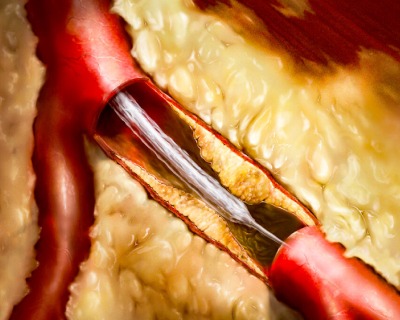
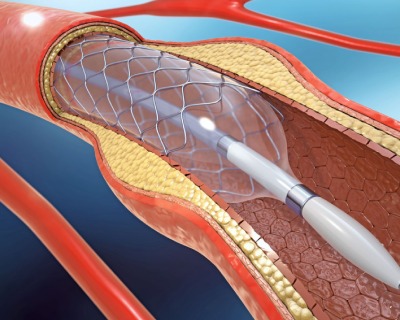
Coronary angioplasty — also called percutaneous coronary intervention (PCI) — is one of the most effective and commonly performed procedures in modern cardiology. It opens a blocked or narrowed coronary artery from the inside, restoring blood flow to the heart muscle without open-chest surgery. At AIG Hospitals, Gachibowli, Dr. Bhishma Chowdary performs angioplasty with advanced imaging guidance — including IVUS and OCT — to achieve precise, lasting results.
At a Glance
| Procedure type | Therapeutic (minimally invasive) |
| Also known as | PCI — Percutaneous Coronary Intervention; Balloon Angioplasty; Coronary Stenting |
| Duration | 30 to 90 minutes (varies by complexity) |
| Anaesthesia | Local anaesthesia + mild sedation. Awake throughout. |
| Access site | Wrist (radial) preferred; groin (femoral) for complex cases |
| Hospital stay | 24 to 48 hours (planned). 3 to 5 days (emergency / heart attack) |
| Return to work | Desk work: 1 week. Physical work: 2 to 4 weeks |
| Imaging guidance | IVUS and OCT used routinely for complex cases |
| Performed by | Dr. Bhishma Chowdary, DM Cardiology, AIG Hospitals Hyderabad |
| Appointment | +91-9000352998 |
What is a coronary angiogram?
The coronary arteries are the three major blood vessels that supply oxygen-rich blood to the heart muscle. When cholesterol plaques build up inside these arteries over time, the arteries narrow — a condition called coronary artery disease (CAD). A severely narrowed or blocked artery can cause chest pain (angina), breathlessness, reduced exercise tolerance, or — if the blockage is sudden and complete — a heart attack.