Renal Angioplasty in Hyderabad — Kidney Artery Stenting at AIG Hospitals, Gachibowli
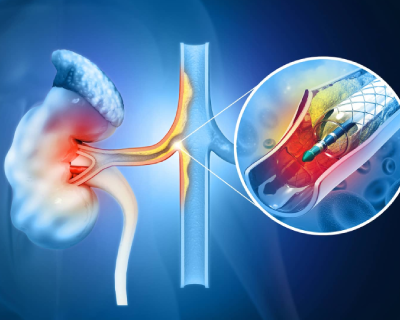
Renal angioplasty is a minimally invasive catheter-based procedure to open narrowed or blocked renal arteries — the vessels that supply blood to the kidneys. When these arteries narrow, a condition called renal artery stenosis, the kidneys respond by releasing hormones that raise blood pressure throughout the body — often producing severe, difficult-to-control hypertension that resists multiple medications. Dr. Bhishma Chowdary performs renal angioplasty and stenting at AIG Hospitals, Gachibowli, Hyderabad, restoring blood flow and, in appropriately selected patients, significantly improving blood pressure control and preserving kidney function.
At a Glance
| Procedure type | Percutaneous vascular intervention — minimally invasive |
| Condition treated | Renal artery stenosis — narrowing of the artery supplying the kidney |
| Main causes | Atherosclerosis (most common, older patients), Fibromuscular dysplasia (younger patients, usually women) |
| Duration | 45 minutes to 1.5 hours |
| Anaesthesia | Local anaesthesia + conscious sedation. Awake throughout. |
| Access | Femoral or radial artery |
| Hospital stay | 24 hours (overnight observation) |
| Recovery | Walking same day. Normal activity within 3 to 5 days. |
| Performed by | Dr. Bhishma Chowdary, DM Cardiology, FSCAI, AIG Hospitals, Hyderabad |
| Appointment | +91-9000352998 |
What is renal artery stenosis?
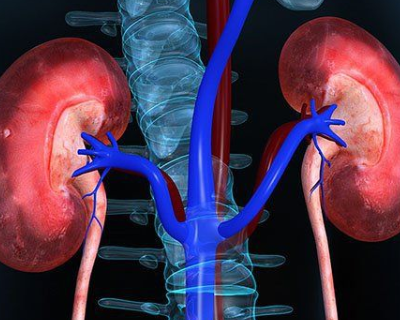
The kidneys receive blood through the renal arteries, which branch directly from the aorta. When a renal artery narrows — most commonly from atherosclerotic plaque, and less commonly from fibromuscular dysplasia — blood flow to the kidney falls. The kidney interprets this as a sign of low blood pressure throughout the body and responds by activating the renin-angiotensin-aldosterone system, a hormonal cascade that raises blood pressure system-wide in an attempt to restore renal perfusion. The result is a form of secondary hypertension — renovascular hypertension — that is often severe and resistant to standard medications.