Mechanical Circulatory Support — Impella, IABP and ECMO in Hyderabad
When the heart is too weak to sustain adequate blood circulation — during a severe heart attack, cardiogenic shock, or a high-risk cardiac procedure — mechanical circulatory support (MCS) devices take over part or all of the heart's pumping work. At AIG Hospitals, Gachibowli, Dr. Bhishma Chowdary has hands-on expertise in the full spectrum of MCS devices: IABP, Impella, and ECMO — including complex combined support with ECPella (simultaneous ECMO and Impella) for the most critically ill patients.
At a glance — the three levels of support
| IABP (Intra-Aortic Balloon Pump) | Lowest level of support. Balloon in the aorta inflates and deflates with the heartbeat. Improves coronary perfusion and reduces cardiac workload. Inserted through groin artery under local anaesthesia. |
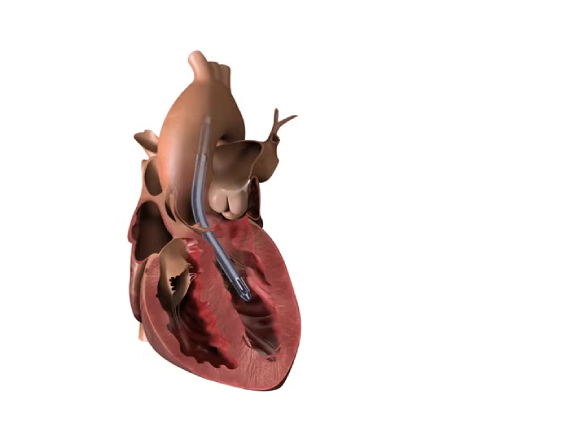
| Impella (percutaneous ventricular assist device) | Intermediate-to-high support. Miniaturised pump placed across the aortic valve into the left ventricle. Actively pumps blood out of the weakened ventricle at up to 3.5–5 litres per minute. Most powerful catheter-based MCS. |
| ECMO (Extracorporeal Membrane Oxygenation) | Highest level of support. Heart and lung bypass outside the body — oxygenates blood and returns it to the circulation. Used when both heart and lungs fail. Bridging therapy in the most critical situations. |
What is cardiogenic shock?
Cardiogenic shock is a life-threatening condition in which the heart suddenly cannot pump enough blood to meet the body's oxygen demands. Blood pressure falls critically, organs begin to fail, and without immediate intervention the condition is fatal in the majority of cases.
The most common cause is a large acute heart attack (STEMI) that destroys a significant portion of the left ventricle. Other causes include acute decompensation of pre-existing heart failure, severe valve dysfunction, myocarditis, and post-cardiac surgery low output syndrome. Cardiogenic shock is staged using the SCAI (Society for Cardiovascular Angiography and Interventions) shock classification: